The BSEIPH Celebrates International Day of Persons with Disabilities
By Gedeon Delva · Port-au-Prince
· 2 min read · Updated 24 April 2026
Translated from French — AI-assisted and reviewed by the editorial team. The French version is authoritative. Read the original · About our translation policy

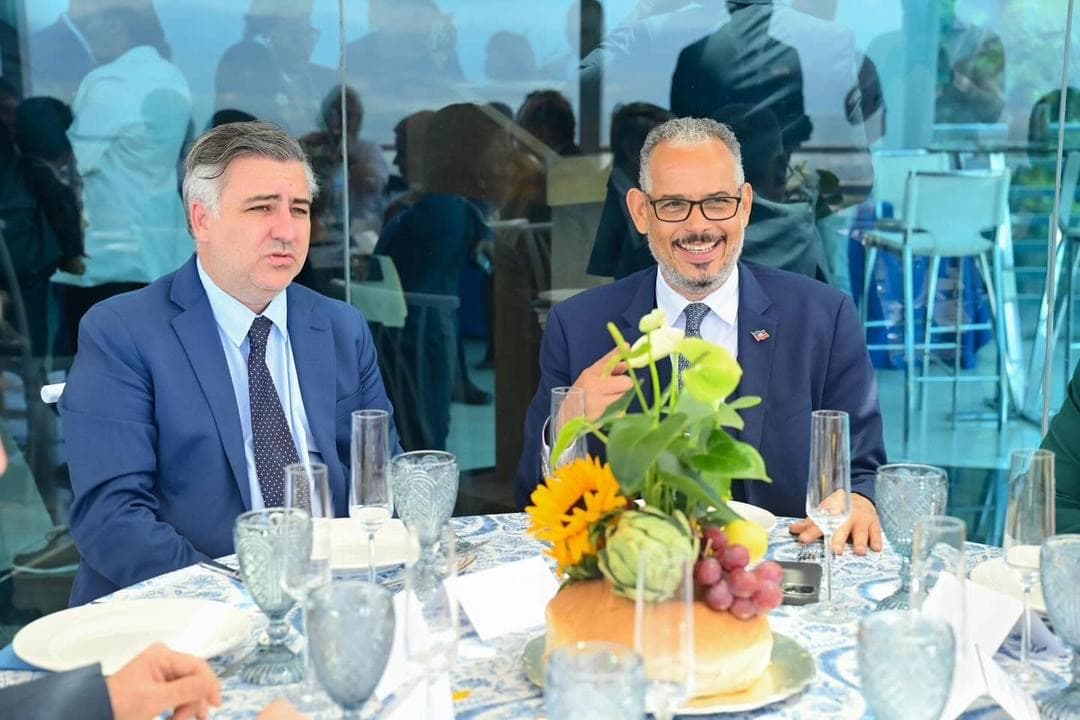
International Day of Persons with Disabilities is celebrated on December 3. This year, to mark the day, the Office of the Secretary of State for the Integration of Persons with Disabilities organized a ceremony at the Karibe Hotel in Petion Ville.
Several personalities attended, including Counselor-President Edgar Leblanc Fils, the a.i. Resident Coordinator of the United Nations in Haiti, Mouala Christian, the Resident Representative of the United Nations Population Fund (UNFPA), the Minister for Women's Affairs and Women's Rights, Pedrica Saint Jean, the Minister of National Education and Vocational Training, Antoine Augustin, as well as the Minister of Social Affairs and Labor, Georges Wilbert Frank.
In his speech, the Secretary of State for Persons with Disabilities, Genard Joseph, emphasized the importance of this day for this category of society. « It is a day during which we promote the rights of those living with a disability. » Genard Joseph advocated for social inclusion, an essential condition for the fulfillment of all.
For his part, Minister Georges Wilbert Frank launched an awareness message to the entire population, inviting every citizen considered a « potential person with a disability » to engage in the defense of the rights of persons living with a disability.
He reaffirmed the government's commitment to strengthening inclusion in public institutions and recalled that the MAST roadmap includes the integration of persons with disabilities and increased protection for vulnerable children.
It should be noted that this commemoration coincided with the graduation of 100 students in massage therapy and functional rehabilitation.
Thanks to the BSEIPH, they underwent three months of training, with the aim of offering people with reduced mobility skills that promote autonomy and prevent complications related to disability.
Continue reading